Key Takeaways
- Invisalign is a clear aligner system that provides a virtually invisible, removable, and comfortable alternative to metal braces for aligning teeth.
- Using advanced 3D imaging and treatment planning technologies, Invisalign creates precise, individualized treatment plans for each patient’s orthodontic requirements.
- The aligners are crafted from robust medical-grade thermoplastic material, which is hypoallergenic and virtually transparent, ensuring both comfort and style.
- Invisalign requires you to wear your aligners consistently every day until treatment is complete. Most treatments take between six months and just over a year, and you must properly care for your aligners.
- Invisalign integrates easily into your life. Users can remove aligners when eating, cleaning their teeth, or going to a special event. This has little effect on their daily routines or confidence.
- Treatment costs differ with complexity and length. Flexible payment plans and insurance options assist in making Invisalign affordable to numerous patients globally.
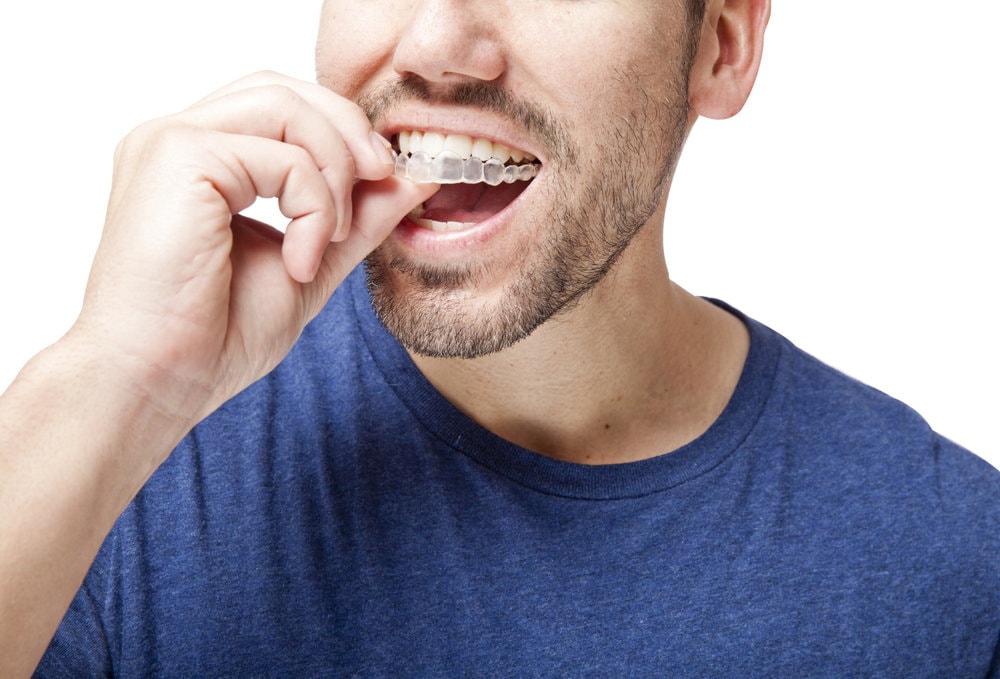
Invisalign is a system of clear aligners that straighten your teeth using a series of custom-made, removable plastic trays. Crafted from slick, medical-grade plastic, these trays slide over teeth and deliver a consistent, gentle pressure to maneuver them into position. Dentists or orthodontists use computer imaging to design a plan and patients receive new trays every one to two weeks. The vast majority of individuals opt for Invisalign due to its discreet appearance and the flexibility to eat or brush without wires or brackets interfering. Treatment times can vary, typically between six months and two years, depending on teeth-specific needs. The below will illustrate how Invisalign works, who it’s best for, and what to expect on a daily basis.
The Clear Aligner
About: The Clear Aligner These individually crafted, removable mouthpieces are meant to correct teeth spacing, overbites, and crooked teeth. The clear aligner’s appeal lies in its near invisibility, providing a less conspicuous alternative to metal braces. Because they don’t rely on wires or brackets, aligners are smoother and less irritating. Since they’re removable, they enable easy cleaning of both the appliance and the teeth, assisting wearers in maintaining their oral hygiene with less hassle.
1. The Technology
Dentists begin by employing advanced 3D imaging to create a precise digital sculpture of a patient’s teeth. This feeds into creating an accurate map of where the teeth will shift over time. Custom software plans every stage of the treatment, illustrating how each aligner will move the teeth incrementally. Invisalign incorporates SmartTrack, a unique material that enables consistent tooth movement, enhancing both the fit and efficiency of each aligner. With tailored plans and digital tracking, it’s custom for each person with easier-to-predict results.
2. The Material
Invisalign aligners are constructed from medical-grade thermo plastic polymers. These plastics are durable yet flexible, so they’re able to withstand the rigors of everyday use and won’t crack or deform. It’s hypoallergenic, which is great for anyone with sensitive gums. The clear plastic matches the natural color of teeth, leaving the aligners nearly unnoticeable when worn.
3. The Science
Teeth move as the aligner applies slight pressure on them, which moves them gradually through the bone, guided by the periodontal ligament. This steady force is the secret sauce, so users have to wear their aligners 20 to 22 hours a day for optimal impact. Changing to a new aligner every week or two directs this slow transformation. Research and clinical reviews have demonstrated that Invisalign can correct a wide range of orthodontic problems, ranging from minor crowding to more complicated bites.
4. The Difference
Invisalign is far less obvious than metal braces and frequently more comfortable because there aren’t any pokey wires or brackets. With removable aligners, they can eat what they like and brush their teeth with less fuss. In some cases, the treatment time is less with Invisalign, but it really depends on the problem. Every plan is different, so the process conforms to the individual, not the other way around.
Your Treatment Journey
Your journey to a straighter smile with Invisalign follows a straightforward path. All aimed at making sure results align with patient objectives, the journey incorporates a mix of digital innovation, expert treatment, and patient dedication. You’ll notice progress in as little as a couple of weeks. The journey extends over the course of more than a year with consistent involvement.
Initial Talk
During the initial appointment, patients consult with an orthodontist to discuss their dental issues, objectives, and aspirations. This free flow of information establishes the baseline for individuality. Invisalign can assist with issues such as overcrowded teeth, gaps, and mild to moderate bite issues such as overbite, underbite, or crossbite and certain spacing challenges. The orthodontist tells you what they can take care of with clear aligners and what else is available if necessary. This meeting clarifies the commitment of daily aligner wear, regular check-ins, and adapting to life with aligners. Knowing the time and effort required is crucial for anyone thinking about Invisalign.
Custom Plan
They take a digital scan or x-ray and create a 3D model of your teeth. This model guides how teeth should move, step by step, during treatment. Every phase is designed to fix patient-specific bite and alignment issues, like turning a rotated tooth or closing a gap. While you’re getting started, your orthodontist will set milestones and a timeline so you can track progress and know what to expect. These specifics provide patients with a roadmap for what comes next.
Aligner Wear
- Wear aligners 20 to 22 hours per day, removing them only for meals, drinks (besides water), brushing, and flossing.
- Rinse aligners with cool water prior to reinserting.
- Store aligners in a case when not in use.
- Clean aligners gently with a soft toothbrush and mild soap.
- Avoid hot drinks with aligners in to prevent warping.
Aligners are generally switched out every one to two weeks, with each new set creating minor adjustments. Some sore pressure is typical initially but subsides in days. Adherence is key. Skipping days or wearing aligners fewer hours than recommended will slow down progress. Generally, patients are seen by the orthodontist every three months for checkups and modifications.
Final Stage
After active treatment, patients transition to retainers to maintain teeth in their new locations. Retainers are custom-fit, usually resemble aligners, and are worn nightly or as recommended by your orthodontist. Regular follow-up visits help check alignment and catch any changes early. Retainers help safeguard the fruit of months of meticulous labor, backing a lifetime of confident smiles.
Ideal Candidates
Invisalign is a transparent aligner system designed for individuals with minor to moderate orthodontic requirements. It’s great for people looking to correct crowding, small teeth gaps, or typical bite issues such as overbite or underbite. Invisalign can correct up to ten forms of malocclusion, so it addresses a lot of common dental conditions. If you have a serious bite issue or twisted teeth, conventional braces could be a better match. For the bulk of users, it’s seamless, but it’s not the solution for all.
Most adults begin Invisalign at age 18 or older when their teeth and gums have stopped growing. Teens can do Invisalign too, but their dentist will determine if their teeth are prepared. Age isn’t the only consideration. Oral care is important. Candidates must have healthy gums, no pockets or advanced gum disease, and no large cavities. Prior to beginning, a dentist examines the mouth, takes X-rays, and reviews dental records. This initial screening typically occurs in only one visit. Assuming the mouth is healthy and the dental problems align with what Invisalign can correct, the dentist can then initiate treatment. This step is crucial to ensure the aligners will function as intended.
A good candidate for Invisalign is more than just about their teeth. It’s all about your habits. The aligners need to be in your mouth for a minimum of 20 hours per day. They just camp out when not in use, except for meals and daily brushing. They’ll have to be careful and stick to a routine. Hours skipped or lost trays can bottleneck or unpredictably affect results. If they follow the plan, most folks are done with treatment in a year to a year and a half. Those that are neat, conscientious, and ready to implement a few easy instructions daily achieve the most success. That’s why dentists emphasize the importance of commitment upfront.
Daily Life Impact
Invisalign aligners slip into most lives with minimal hassle. Most people can stay on top of work, hobbies, and daily life without major adjustments. Aligners pop out before meals or brushing, so it is a breeze to eat your favorites and keep your teeth clean. Wearing them 20 to 22 hours a day is crucial, which sometimes means tweaking habits like snacking or sipping something other than water.
Eating
Aligners come out before eating, so they don’t interfere with meals or snacks. You can indulge in crunchy, chewy or sticky foods with abandon, unlike metal braces. This liberty makes it easier for individuals to maintain a healthy diet and appreciate communal meals. After meals, brushing and flossing are a must before reinserting aligners, which makes for extra trips to the sink but protects teeth and gums. For frequent snackers, reducing may be required to hit the wear time target. A lot of people discover this framework useful for eating better.
Speaking
Others experience a minor lisp or alteration in their speech initially. This impact is generally minor and dissipates within a couple of days as your mouth adjusts to the aligners. Reading out loud or talking can practice will accelerate this adjustment. For the majority of us, chatting with aligners just sounds normal after that beginning transition. The transparent trays are subtle to detect, so most people won’t even realize you’re sporting them, which assists with confidence when talking in public or at work.
Cleaning
Maintaining clean aligners is straightforward and requires a daily commitment. Wash them with a soft brush and cool water; no toothpaste, it scratches! These or a mild soap will help keep trays clear and odor-free. Brushing and flossing before you put your trays back in keeps plaque at bay, and routine dental visits monitor progress and catch any issues early. Water hydrates, which lessens dry mouth and keeps stuff feeling good all day long.
Socializing
The almost invisible appearance of aligners allows most people to feel comfortable at social functions. You can remove aligners for special meals or big occasions, just don’t forget to reinsert them promptly afterward. Many people experience an increase in confidence as their smile transforms. By sharing the process with friends or family, you will find it easier to maintain the habit and receive help where required.
Realistic Outcomes
Invisalign isn’t promising immediate results. Most people wear aligners for 6 to 18 months. If your teeth are just a tad crowded or spaced, you could finish sooner, sometimes in as little as six months. More complicated bite or crowding cases take longer. Treatment time is based on how much your teeth need to move, your age, and compliance in wearing the aligners as prescribed. The first week feels strange. Others detect a mild lisp or tension because the trays alter the way your tongue touches your teeth. Speaking eloquently might take a couple of days of practice. Most users adapt to the sensation within a week. Routine follow-ups, usually every 4 to 8 weeks, assist your dentist in monitoring how you’re doing and making minor adjustments to your plan. Missing appointments can hinder outcomes.
Treatment Time
Invisalign is a daily grind. You must wear aligners 20 to 22 hours daily. You remove them just for meals, drinks other than water, and brushing your teeth. The initial days are sometimes sore, but that goes away. Within a month, most notice minimal smile transformation. Your teeth begin to look straighter after three months. Simple souls get outcomes faster. For instance, an individual addressing minor front tooth crowding could complete treatment in six months. The final weeks are what count. Continue to wear aligners as directed to cement your new smile.
Expected Results
Most end treatment with straighter teeth and a more ideal bite. This transformation is incremental, not immediate. Little changes appear month to month. In the long run, your bite should align more properly, which can assist with chewing and reduce the likelihood of uneven tooth wear. Straight teeth are easier to clean, reducing your risk of gum disease and tooth decay. Countless others note that they are simply more self-assured with their smile. Results differ, so patience is paramount. Adhering to your strategy provides optimal results.
Aftercare
- Wear your retainers like your dentist tells you to. This prevents teeth from relapsing.
- Go to routine dental check-ups twice a year at minimum so your dentist can ensure teeth remain in position.
- Brush and floss daily! Good habits save your results and save your teeth.
- Don’t blow off your retainers, even after year one. Here’s a secret: long-term use is the key for lasting alignment.
Financial Aspect
The financial side of Invisalign is variable and dependent on many factors. Every patient’s level of care, duration, and local pricing factors all contribute to the final cost. The sticker price may appear steep, but the return on investment is much greater oral hygiene and increased confidence for most. Prices can be comparable to those for regular braces, even when factoring in secret charges. Almost all dental offices provide assistance with payments, so you don’t have to pay all at once.
Key factors affecting the price of Invisalign:
- The complexity of the dental issues being corrected
- Total length of treatment required
- Geographic region and local market rates
- Provider’s expertise and reputation
- Number of aligners or additional refinements needed
- Clinic operational costs and technology used
Overall Cost
| Region |
Average Cost (USD) |
| North America |
$3,000 – $7,000 |
| Europe |
€3,000 – €6,500 |
| Asia-Pacific |
$3,500 – $8,000 |
Price may vary depending on location. Dental care tends to be pricier in big cities and cheaper in rural areas. The expertise of the provider influences price. Experts with decades of experience can command a premium. Certain patients require additional aligners or visits, which can increase the overall cost. Most clinics will go over all costs in the initial consultation so it’s not a surprise.
Forward thinking, to be sure, but it’s important to consider Invisalign’s cost in the context of its long-term value. A clean, strong bite can reduce future dental costs and enhance health for years to come.
Insurance
| Insurance Type |
Typical Coverage for Invisalign |
| Private Dental |
30% – 50% (up to limit) |
| Employer Plans |
Varies, often partial |
| HSA / FSA |
Eligible, up to limit |
The majority of dental insurance plans cover Invisalign as much as braces these days. Rent
Trust me, double checking what you need before you begin saves a lot of headaches. Every plan has guidelines such as annual maximums or fixed allowances for orthodontics. Health Savings Accounts and Flexible Spending Accounts can assist, but both have annual limits. It is best to just call your insurance or HR team to be sure.
Payment Plans
Almost all dental offices desire treatment to be reasonable in cost. Most have low or no-interest payment plans that allow you to pay in small monthly increments rather than all at once. Certain months, some clinics run specials. Never assume; always check what payment options exist and inquire if there are savings to be found. That’s just the way the expense is a lot lighter.
Conclusion
Invisalign straightens teeth with clear trays that are smooth and light to wear. There’s ease of fitting into their days, which most people love. You pop the trays in and out, eat what you want and freshen up fast. No wires or sharp bits keep your mouth comfortable. Dentists walk you through every step, so you know what to expect. Prices vary by location and the degree of work your smile requires, but the procedure remains straightforward. Many people get great results and the transformations arrive quickly. To find out whether this suits you, consult a dental professional. Pose your questions, consider your alternatives, and choose your own adventure.
Frequently Asked Questions
What is Invisalign?
Something about what is invisalign. With custom-crafted, removable plastic trays, Invisalign is a substitute for metal braces.
How does the Invisalign treatment process work?
Your dentist or orthodontist makes a digital scan of your teeth. You get a bunch of custom aligners to wear every day. Each set shifts your teeth a small amount until they get to where they need to be.
Who is an ideal candidate for Invisalign?
Perfect fit is for teens or adults with mild to moderate alignment problems. Invisalign cannot be as well fitted for extreme cases or more complicated dental requirements. Only a qualified dentist can determine if you are a candidate.
How does wearing Invisalign affect daily life?
Invisalign aligners are virtually invisible and are removable for eating and cleaning. You can continue eating your normal diet and brushing your teeth. The majority of folks adapt fast to donning them daily.
How long does Invisalign treatment usually take?
The majority of Invisalign treatments take six to eighteen months. It depends on your dental problems. By following your dentist’s directions, you will get the results on time.
Are the results from Invisalign permanent?
Outcomes are potentially permanent if you wear retainers post-treatment. Teeth drift over time without aftercare. Routine follow-ups keep your new smile going.
Is Invisalign more expensive than traditional braces?
Invisalign can be more expensive than braces in certain areas. Depending on where you live and your case, the price is very similar. Most dental clinics have payment plans as well.